Identifying Common Minerals in the Canadian Field
A step-by-step framework for applying hardness tests, streak tests, and visual clues to distinguish quartz from feldspar, pyrite from chalcopyrite, and calcite from dolomite.
Practical guides to identifying minerals, understanding Precambrian formations, and collecting responsibly in the field — written for amateur enthusiasts who want more than surface-level answers.
Hardness, cleavage, streak, and luster — the practical tests that narrow down an unknown specimen in the field without laboratory equipment.
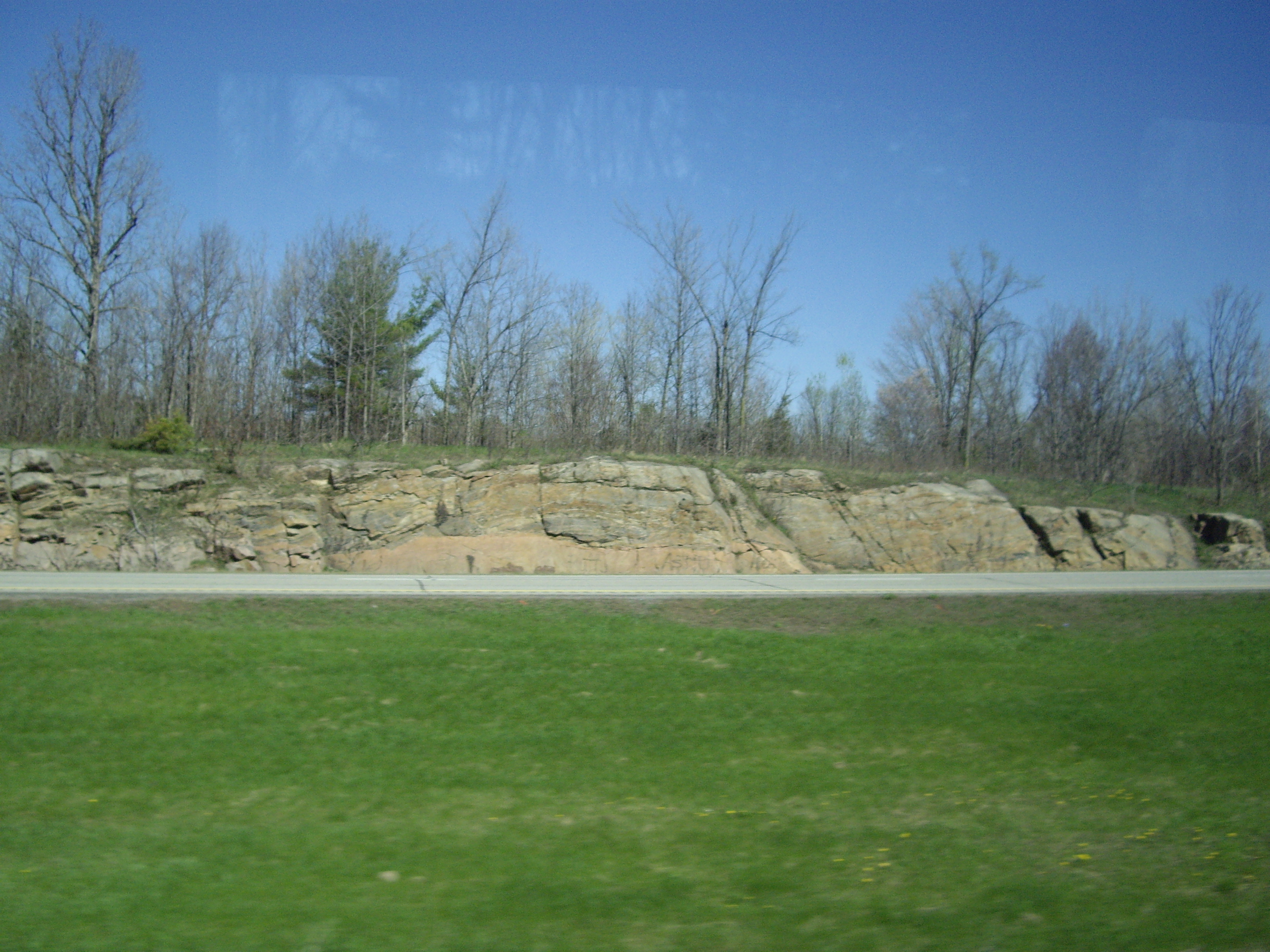
The exposed Precambrian basement rock of the Shield spans nearly half of Canada's landmass, presenting one of the most accessible geological records on Earth.
Understanding land tenure, permit requirements, and Leave No Trace principles keeps collecting sites accessible for future enthusiasts.
Articles
Three practical articles covering the core topics for anyone starting out with rock and mineral collecting in Canada.
A step-by-step framework for applying hardness tests, streak tests, and visual clues to distinguish quartz from feldspar, pyrite from chalcopyrite, and calcite from dolomite.
From Precambrian granite gneisses in Ontario's cottage country to the greenstone belts of northern Quebec, the Shield's exposed basement rock offers a window into geological deep time.
Navigating Crown land rules, provincial park restrictions, Indigenous land considerations, and community norms before you pick up a hammer or pry bar in the field.
Minerals
A brief visual reference for minerals regularly encountered by collectors working the Shield, Appalachians, and Cordillera regions.
Hardness 7. The most abundant mineral in continental crust, found as veins throughout Shield granitoids.
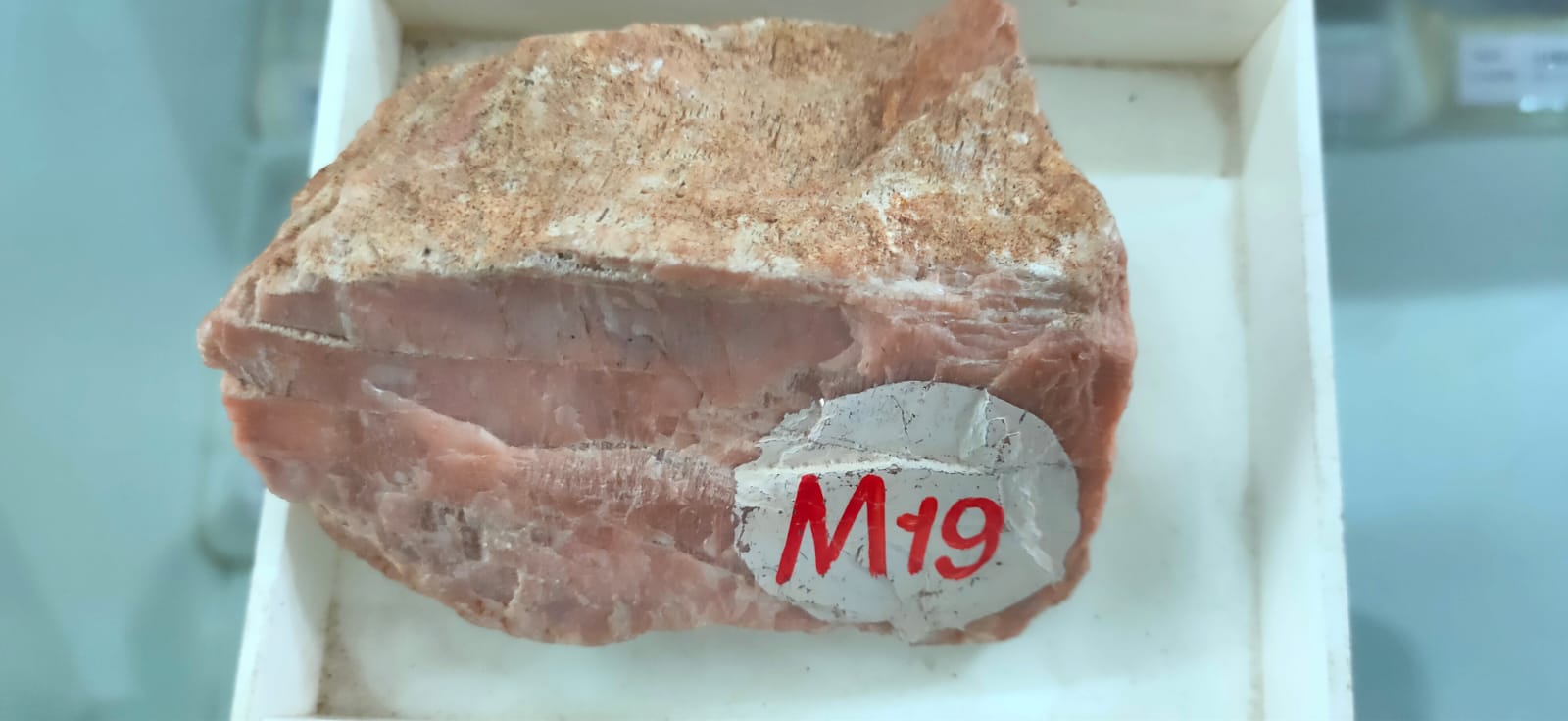
Hardness 6–6.5. The most common mineral group by volume in granite and gneiss; often salmon-pink in Shield rocks.
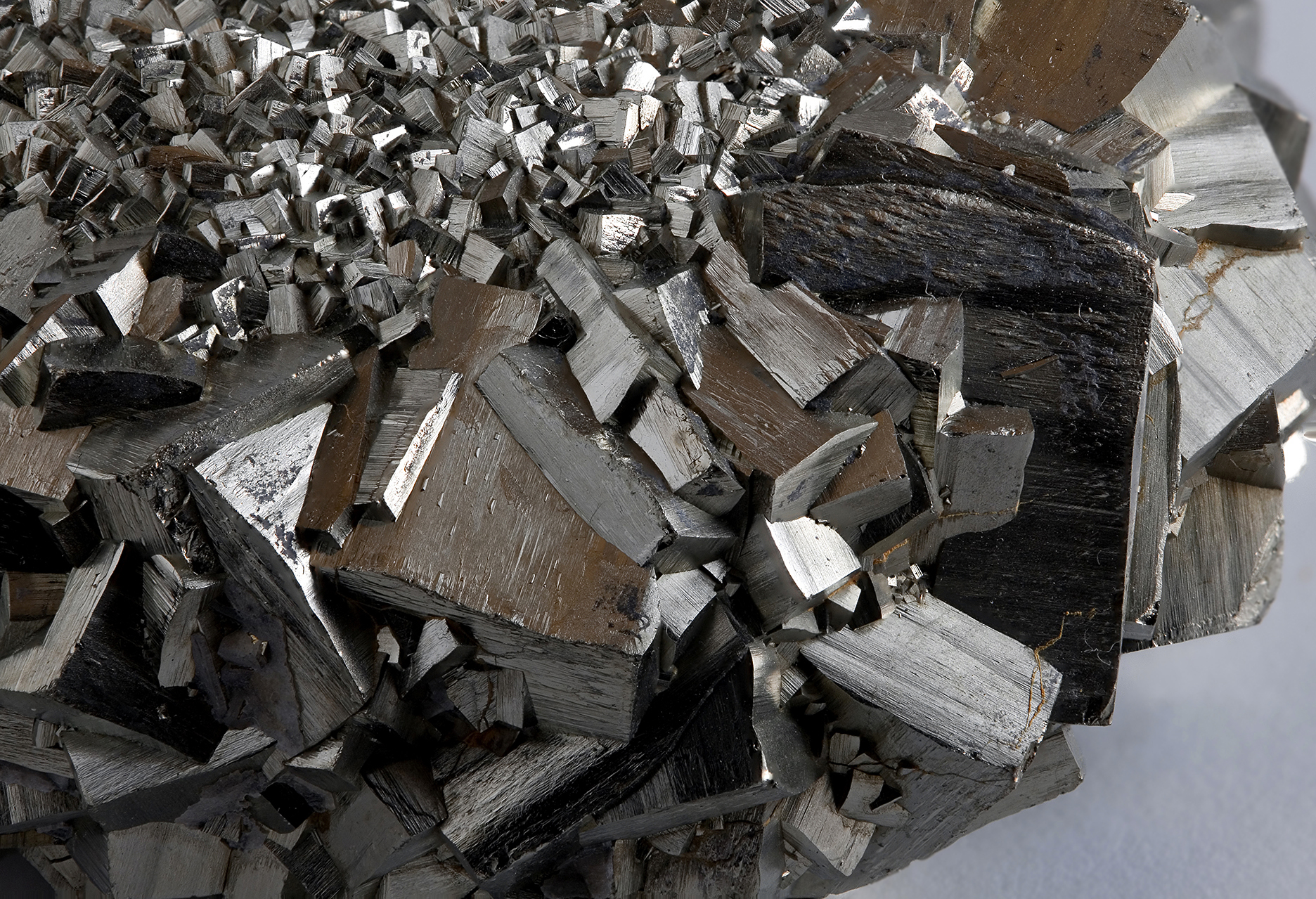
Hardness 6–6.5. Cubic crystals with a brassy lustre; common in Ontario and Quebec sulphide deposits.
A purple variety of quartz; Thunder Bay, Ontario is one of the world's best-documented amethyst localities.
Questions about a specimen, a collecting location, or a topic you'd like covered? Use the form to send a message. No attachments or personal identifying information required.
This form does not transmit data to any server. Submissions are handled locally for demonstration purposes only.